
Whispers from the Afterlife
Unveiling the Ancient Egyptian Opening of the Mouth Ceremony
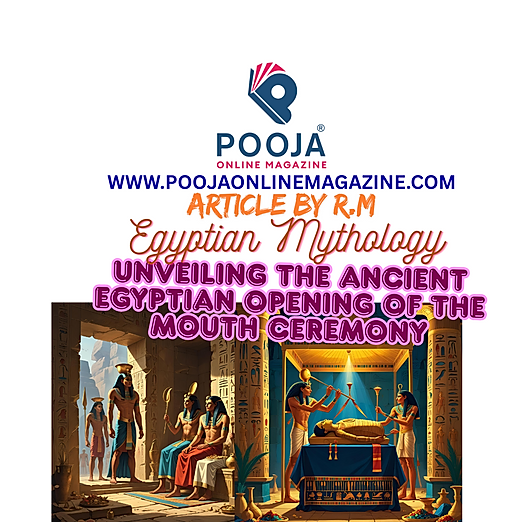
Imagine a world where death was not an end, but a meticulously orchestrated transition to an eternal afterlife. For the ancient Egyptians, this profound belief shaped every aspect of their funerary practices, culminating in one of their most fascinating and symbolically rich rituals: the Opening of the Mouth Ceremony. Far from a mere formality, this intricate rite was believed to reanimate the deceased, allowing them to eat, drink, speak, and experience all the pleasures of the living in the realm of the gods.
At its heart, the Opening of the Mouth Ceremony was a ritual of revitalization. The Egyptians believed that a mummy, despite its preservation, was essentially inert. To truly live on in the Duat (the underworld) and achieve union with Osiris, the god of the afterlife, the deceased needed to regain their senses and faculties. This wasn't a literal restoration of flesh and blood, but a spiritual and magical act intended to grant the Ka (life force) and Ba (personality/soul) the ability to interact with the spiritual world.
A Symphony of Tools and Incantations:
The ceremony itself was a highly formalized affair, typically performed by a priest, often the eldest son of the deceased, in front of the tomb or within the funerary chamber. A specialized set of tools was employed, each imbued with symbolic significance:
The "Msḫtyw" (Adze): This distinctive fish-tailed blade, often made of iron or meteoric iron (a material believed to possess divine properties), was the primary instrument. It was ritually touched to the mouth, eyes, ears, and nose of the mummy or cult statue. The adze's shape may have represented the foreleg of a bull, linking it to the Great Bear constellation (Ursa Major), a celestial body associated with rebirth.
The "Ur-heka": A serpent-headed implement, often depicted in funerary art, was also used to touch the mouth and other orifices. Its serpentine form connected it to the concept of renewal and the cyclical nature of life and death.
Libation Vessels and Incense Burners: Water, often from the sacred Nile, was poured as a cleansing and purifying offering, while fragrant incense was burned to create a sacred atmosphere and ward off malevolent spirits.
Ritual Knives and Finger Tools: Various other implements, some resembling modern-day carving tools or even simple fingers, were used to symbolically "open" the senses.
The physical actions were accompanied by powerful incantations and recitations from funerary texts, such as the Book of the Dead. These spells invoked various deities, particularly Osiris, Horus, and Anubis, to bestow life and power upon the deceased. The words were as crucial as the actions, guiding the spiritual transformation.
More Than Just a Mouth:
Despite its name, the Opening of the Mouth Ceremony was not solely concerned with the mouth. It was a holistic ritual designed to reactivate all the senses and vital functions. By touching the eyes, the deceased could "see" the glories of the afterlife; by touching the ears, they could "hear" the pronouncements of the gods; by touching the nose, they could "breathe" the air of eternity. The mouth, however, was perhaps the most critical, as it allowed the deceased to speak, to utter the necessary spells and declarations to navigate the underworld, and crucially, to consume the offerings presented to them.
Why Was it So Important?
The significance of the Opening of the Mouth Ceremony cannot be overstated. Without it, the Egyptians believed the deceased would remain trapped, unable to participate in the afterlife. They would be forever hungry and thirsty, unable to defend themselves or interact with the divine. The ceremony ensured a complete and meaningful existence in the realm of the gods, allowing the deceased to:
Receive Offerings: Essential for sustenance in the afterlife, offerings of food and drink were placed in the tomb. The ceremony allowed the Ka to partake in these.
Speak Truth: The ability to speak was vital for making declarations of innocence before the divine tribunal in the Hall of Two Truths.
Reunite with Loved Ones: The ceremony facilitated the ability to recognize and interact with other deceased relatives and deities.
Achieve Immortality: Ultimately, the ceremony was the key to achieving a blessed and eternal existence, becoming one with Osiris.
A Legacy of Belief:
The Opening of the Mouth Ceremony stands as a testament to the profound and enduring beliefs of the ancient Egyptians regarding life, death, and the journey beyond. It offers a fascinating glimpse into their elaborate religious system and their unwavering conviction in the possibility of an eternal existence. While the specifics of the ritual may seem mysterious to us today, its underlying message of hope, transformation, and the desire for continued connection resonates across millennia, reminding us of humanity's enduring quest to understand and conquer the final frontier.
