
The Social Prescription
Why Connecting with Others Boosts Your Brain
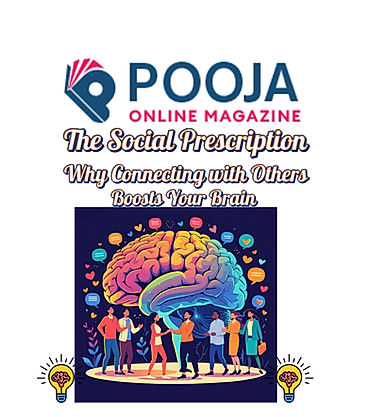
In our increasingly digital world, it's easy to retreat into individual bubbles. Yet, mounting research strongly suggests that robust social connection is not just good for our mood; it's a powerful nutrient for our brain health. Far from being a mere pleasant pastime, engaging with others actively sharpens our minds and protects against cognitive decline.
The Brain's Workout Partner: Think of social interaction as a dynamic workout for your brain. When we engage in conversation, we're not just exchanging words. We're actively listening, processing information, formulating responses, interpreting non-verbal cues, and often, even predicting reactions. This constant mental gymnastics stimulates various neural pathways, enhancing memory, attention, and problem-solving skills. Shared activities, from playing board games to collaborative projects, further challenge our cognitive abilities in diverse ways.
Building a Buffer Against Stress: Chronic stress is a known enemy of brain health, impacting areas crucial for memory and emotional regulation. Social connection acts as a powerful buffer against this. Supportive relationships provide comfort, allow us to share burdens, and offer different perspectives on challenges. This emotional validation triggers the release of 'feel-good' neurochemicals like oxytocin and dopamine, which not only reduce stress but also promote a sense of well-being and contentment, creating an optimal environment for brain function.
Fortifying Cognitive Reserve: One of the most compelling findings is the role social connection plays in building "cognitive reserve." This refers to the brain's ability to cope with damage or disease without showing obvious signs of cognitive decline. Studies have shown that individuals with rich, active social lives tend to have a lower risk of developing dementia and Alzheimer's disease, or can maintain cognitive function for longer even if they do. It's as if every meaningful interaction adds another layer of resilience to our neural networks.
Combating Loneliness, The Silent Threat: Conversely, social isolation is a significant risk factor for poor brain health. Loneliness can trigger inflammation, increase stress hormones, and even contribute to depressive symptoms, all of which can negatively impact cognitive function over time. Fostering connections, whether with family, friends, or community groups, directly counters this silent threat.
Making Connection a Priority: In Hallett Cove, just like anywhere, making time for genuine connection is an investment in your brain's future. This doesn't necessarily mean grand gestures. It can be as simple as:
• Having a regular coffee with a friend.
• Joining a local club or interest group.
• Volunteering for a cause you care about.
• Even a simple chat with a neighbour over the fence.
The human brain evolved in a social context, wired for connection. Prioritizing these interactions isn't just about feeling good; it's about building a more resilient, vibrant, and healthier brain for years to come. So go on, reach out – your brain will thank you for it
article by our team member of Pooja Online Magazine


